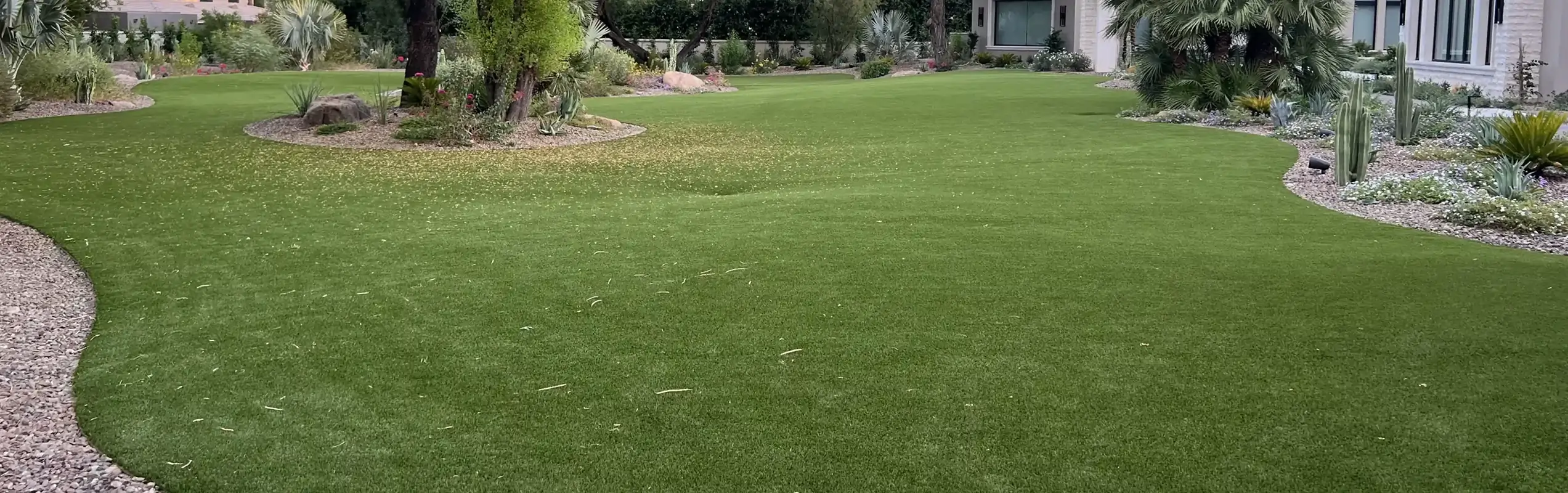
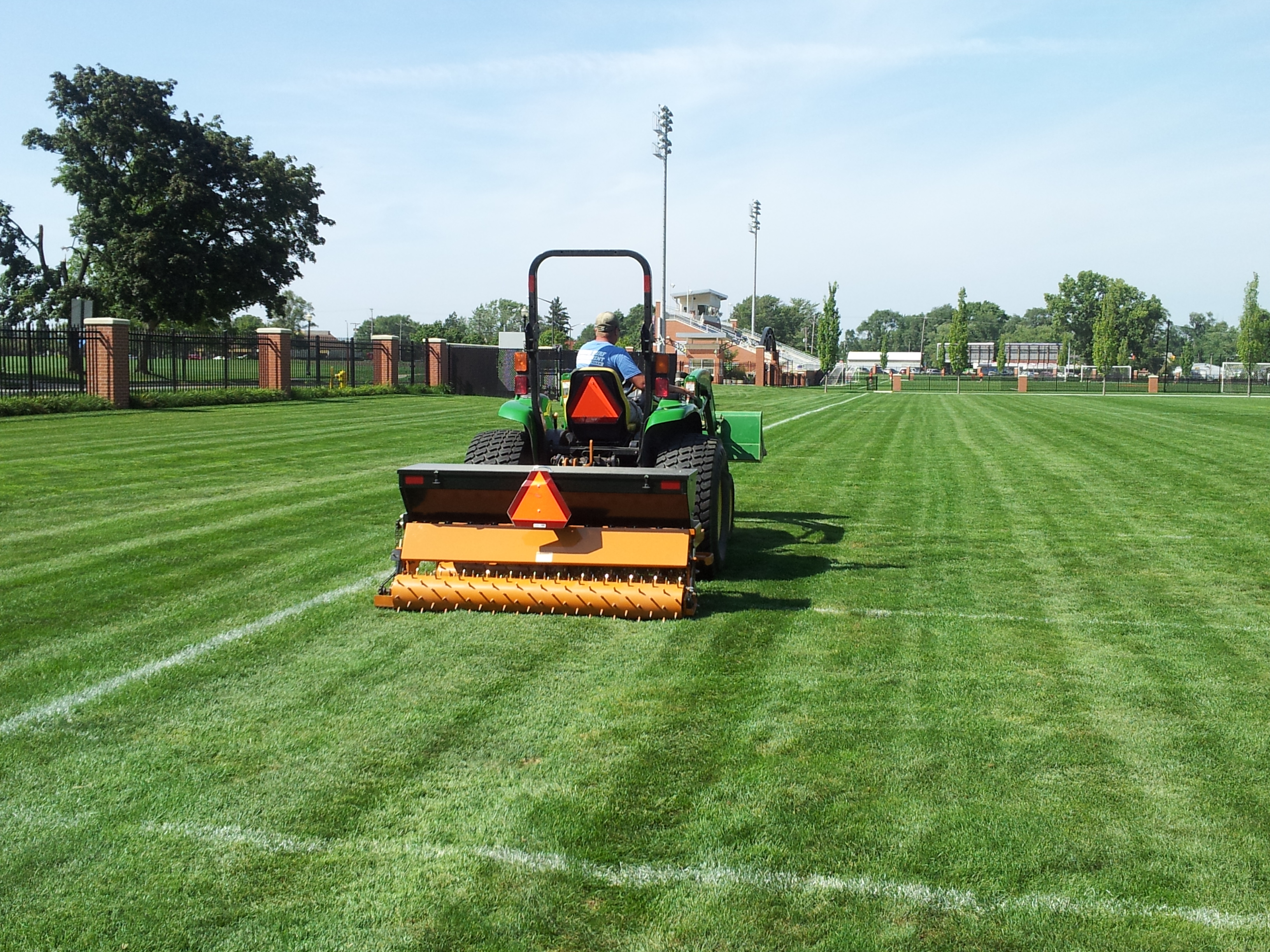
Every artificial turf performance problem traces back to one of two things: the wrong surface product, or the wrong base. Base preparation is not the visible part of a turf project — the homeowner or property manager never sees it after installation is complete — but it is the foundation that determines whether the finished surface performs as designed for years or starts failing within the first season. In Conroe and Montgomery County, base preparation has to account for conditions that make it harder than it looks on a project quote. The region's expansive clay soils shrink and swell with moisture changes, creating movement at the subgrade level that works at base stability and surface grade over time. The drainage demands are real: Conroe sees significant rainfall from spring through fall, and a turf system that cannot clear that volume quickly is going to pool, stay wet, and create surface problems — mud at the edges, fiber matting in low spots, drainage backup that overwhelms the base. The combination of clay soil and significant rainfall means that drainage engineering is not optional in this market. It is a core part of what makes a turf installation perform or fail. Artificial Turf of Conroe approaches drainage and base preparation as the foundation of every installation scope. We do not treat it as a line item to cut to make a quote more competitive — we treat it as the part of the job that determines whether the turf performs as advertised. Properties with complex drainage challenges, existing grade problems, or sites where previous turf installations have failed because of base issues come to us for remediation work that fixes the underlying problem rather than covering it with new turf.