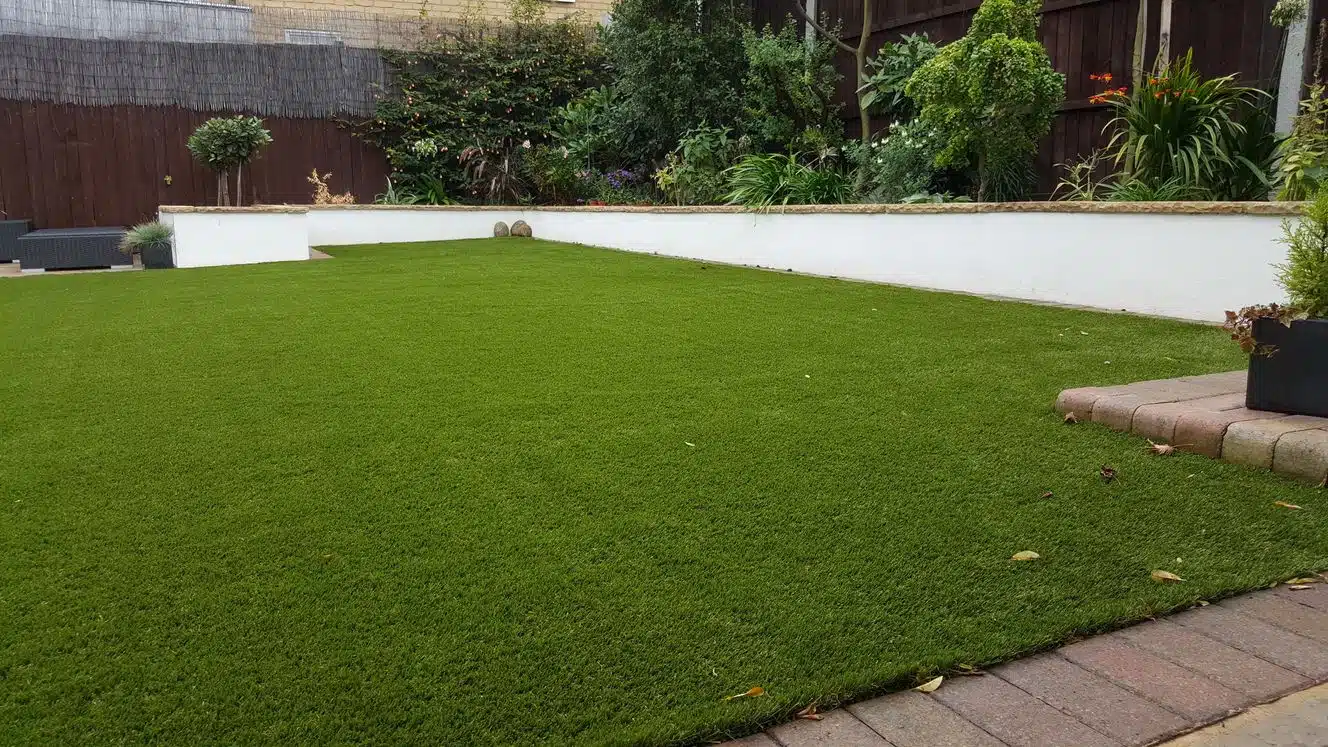
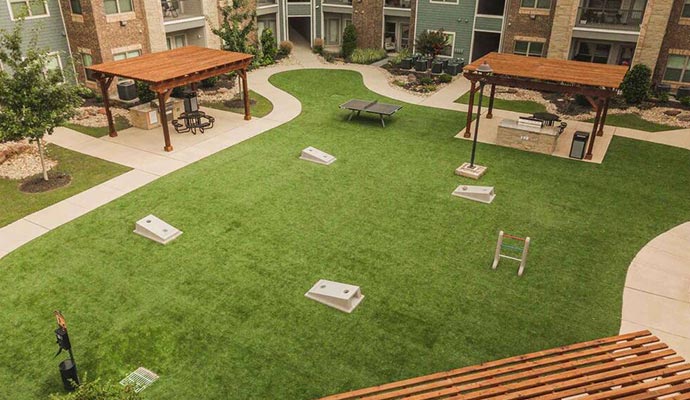
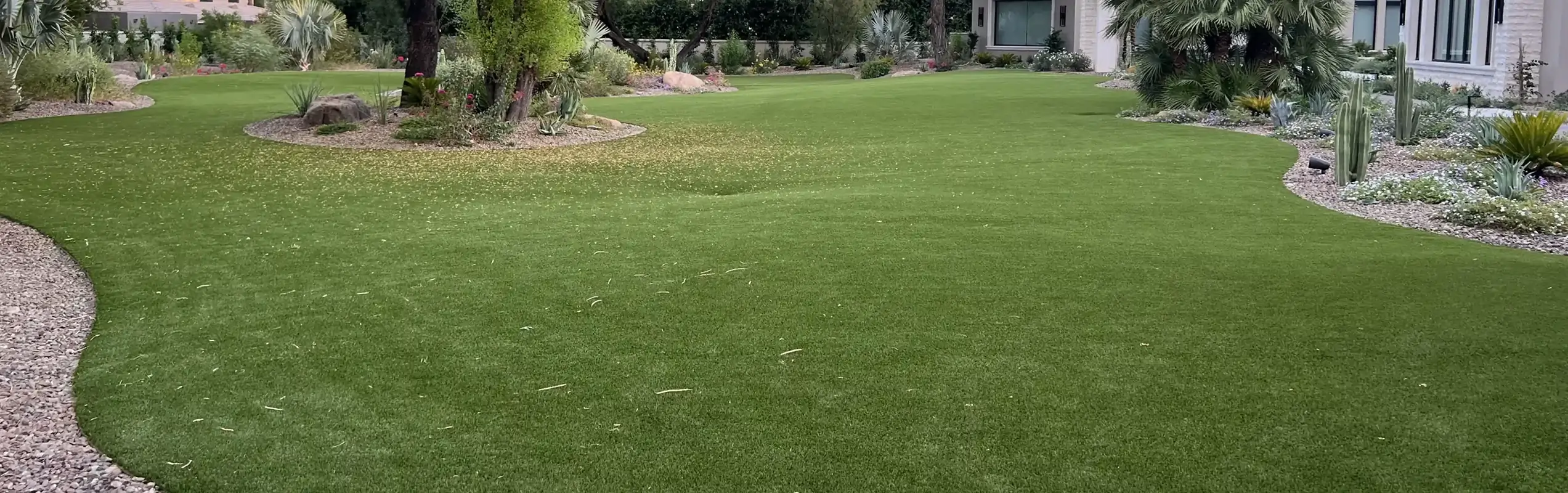
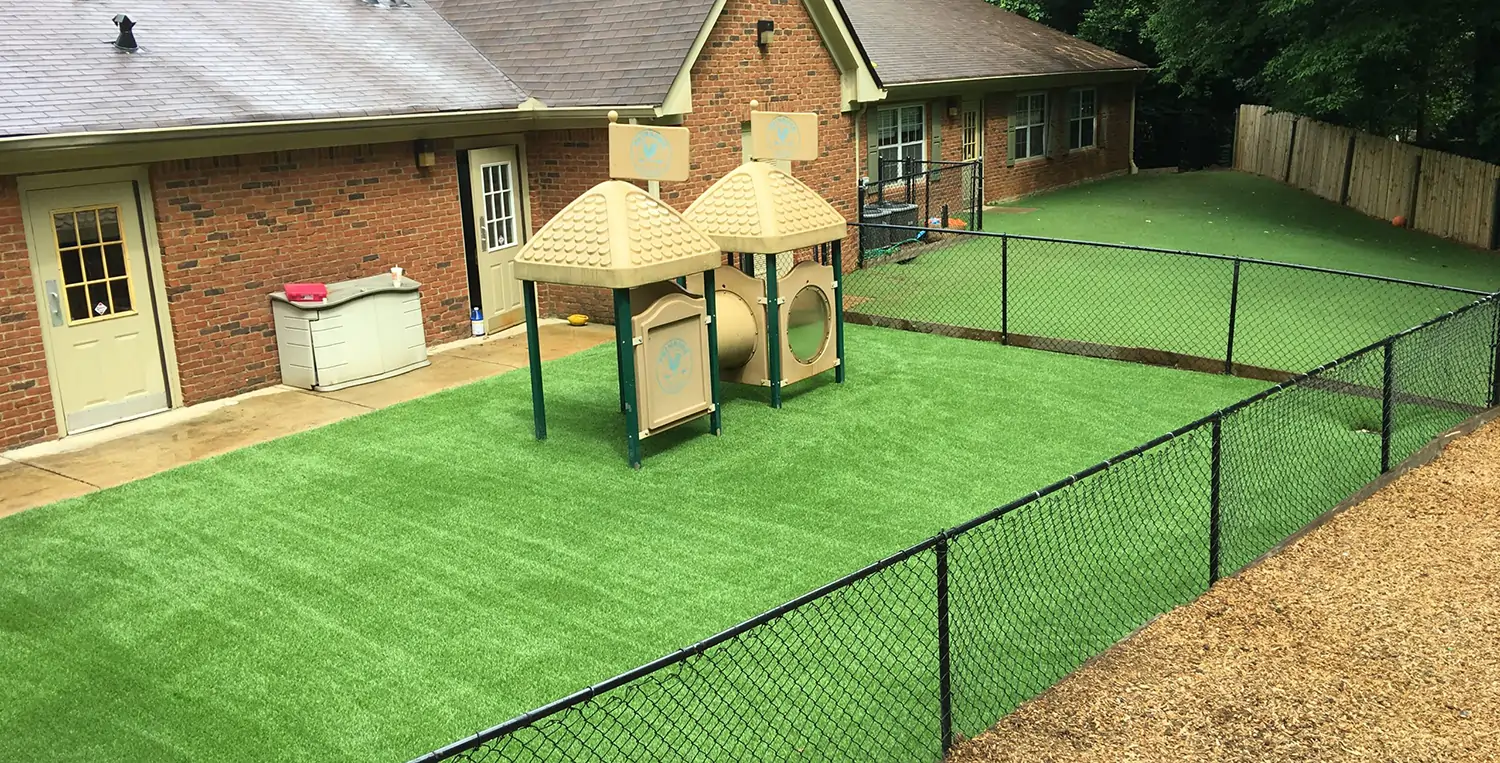
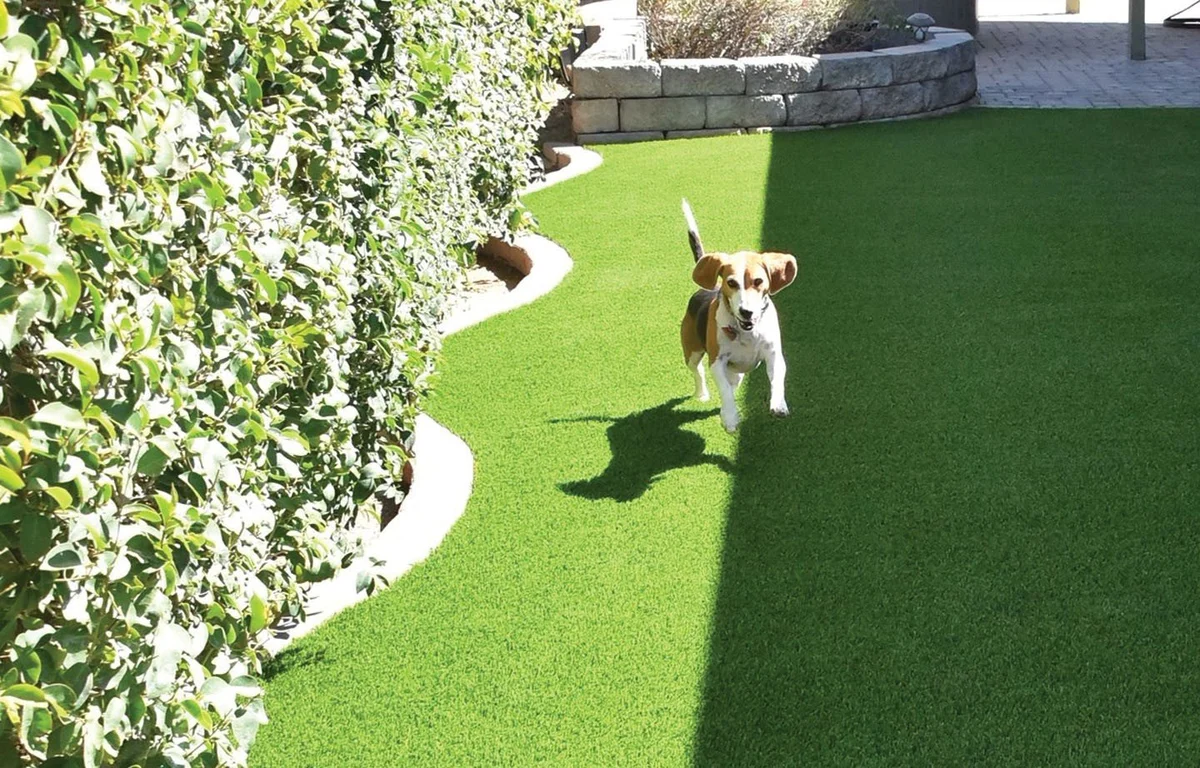
Conroe has been building at a pace that few Texas cities match. Grand Central Park added thousands of homes along the I-45 corridor. Imperial Oaks kept growing north of Loop 336. The Lone Star Convention Center brought conference traffic to downtown Conroe, and the FM 105 commercial strip added retail and office space that developers were competing to fill. All of that growth means more yards, more commercial courtyards, more amenity spaces, and more property owners asking the same question: how do you maintain outdoor surfaces in Southeast Texas heat without burning through water bills or spending every weekend on upkeep? Artificial turf answers that question directly. Artificial Turf of Conroe has built its installation process around the specific conditions property owners face in Montgomery County — the clay-heavy soils that hold water after a storm, the heat that cooks natural grass through July and August, and the drainage patterns that shift depending on whether you are on a finished lot in Graystone Hills or a commercial pad along Loop 336. Our pre-installation assessment maps slope, drainage direction, and subbase conditions before we frame a scope. That prevents the common failure points that come from treating every project the same: seam separation, infill displacement, pooling at transition edges. We work through the full installation sequence ourselves — subbase removal and grading, crushed granite base compaction, turf layout and directional alignment, seam bonding, perimeter banding, infill loading, and final grooming. Conroe property owners, Conroe ISD facility managers, commercial property managers along the I-45 corridor, and multi-generational Conroe families who have watched this county grow from a small seat city to one of the fastest-expanding markets in Texas all call us for the same reason: they want a surface that holds up to real use, real weather, and real inspection from people who know what a well-done installation looks like.